Poker Terminology That Makes Strategy Easier To Learn
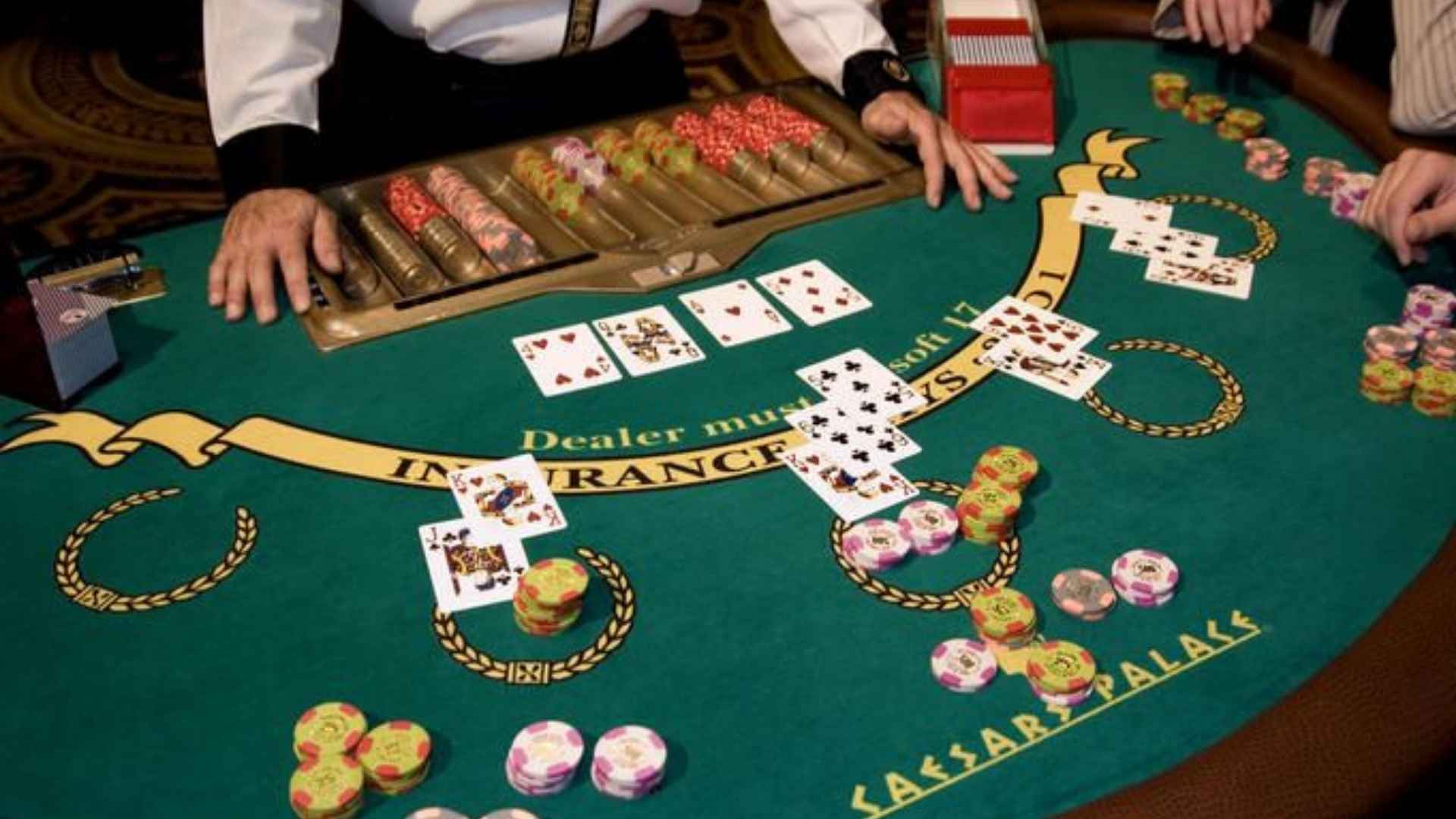
Stepping into the world of strategic card games can feel overwhelming due to the massive volume of specialized vocabulary used by experienced players. Learning these specific terms is not just about sounding like a professional; it directly unlocks the core logic behind advanced tactical decisions. By mastering a few fundamental concepts, newcomers can quickly bridge the gap between confusion and confident table execution.
The Essential Power of Positional Awareness
Understanding where you sit relative to the dealer button is one of the first major concepts that shapes modern table strategy. Terms like the button, cutoff, and under the gun describe much more than just physical seating locations during a hand. These designations indicate exactly how much information you will have access to before making a critical decision.
Playing in late position allows you to observe the actions of your opponents before you have to commit any chips. Conversely, being under the gun forces you to act first without knowing how the rest of the table will react. Mastering this positional vocabulary helps players categorize their starting options with much greater mathematical precision.
Decoding the Mechanics of Expected Value
Many beginners struggle with making calculated choices because they do not understand how professionals evaluate risk versus reward. Concepts like pot odds and implied odds provide a reliable framework for determining whether a call is statistically profitable over time. Knowing these terms allows you to transform abstract guesswork into clear mathematical equations during intense moments.
Pot odds compare the current size of the pot to the specific amount of chips required to stay in the game. Implied odds take this calculation a step further by estimating potential future winnings if you manage to hit your drawing hand. For players looking to test these analytical skills in a digital environment, using a secure M88 Sport login offers a great way to access competitive sessions and practice calculations in real time.
Analyzing Range and Board Textures
Advanced players rarely try to guess the exact two cards their opponents are holding during a complex betting round. Instead, they utilize the concept of a range, which represents the entire distribution of probable hands a competitor might reasonably hold. This terminology shifts your focus away from individual card combinations toward broader strategic patterns.
Evaluating the board texture is another critical skill that becomes much easier once you understand standard tactical descriptions. Dry boards offer very few potential draws, while wet boards create numerous opportunities for flushes and straights to develop. Recognizing these environmental terms enables you to adjust your betting sizes to effectively protect your chips or maximize value.
The True Logic Behind Common Tactical Plays
Many terms describe specific actions designed to manipulate the behavior of other participants at the table. A continuation bet, or c-bet, occurs when the pre-flop aggressor maintains the lead by betting again after the community cards are revealed. This common maneuver helps you take control of the pot regardless of whether your hand actually improved.
Similarly, understanding the difference between a value bet and a pure bluff prevents you from making random, unstructured actions. Value bets aim to get called by weaker combinations, while bluffs are designed to force superior hands to fold immediately. Learning this vocabulary organizes your thoughts and ensures every single chips movement serves a deliberate strategic purpose.