is sea of thieves fun solo A Complete Guide to Playing Alone
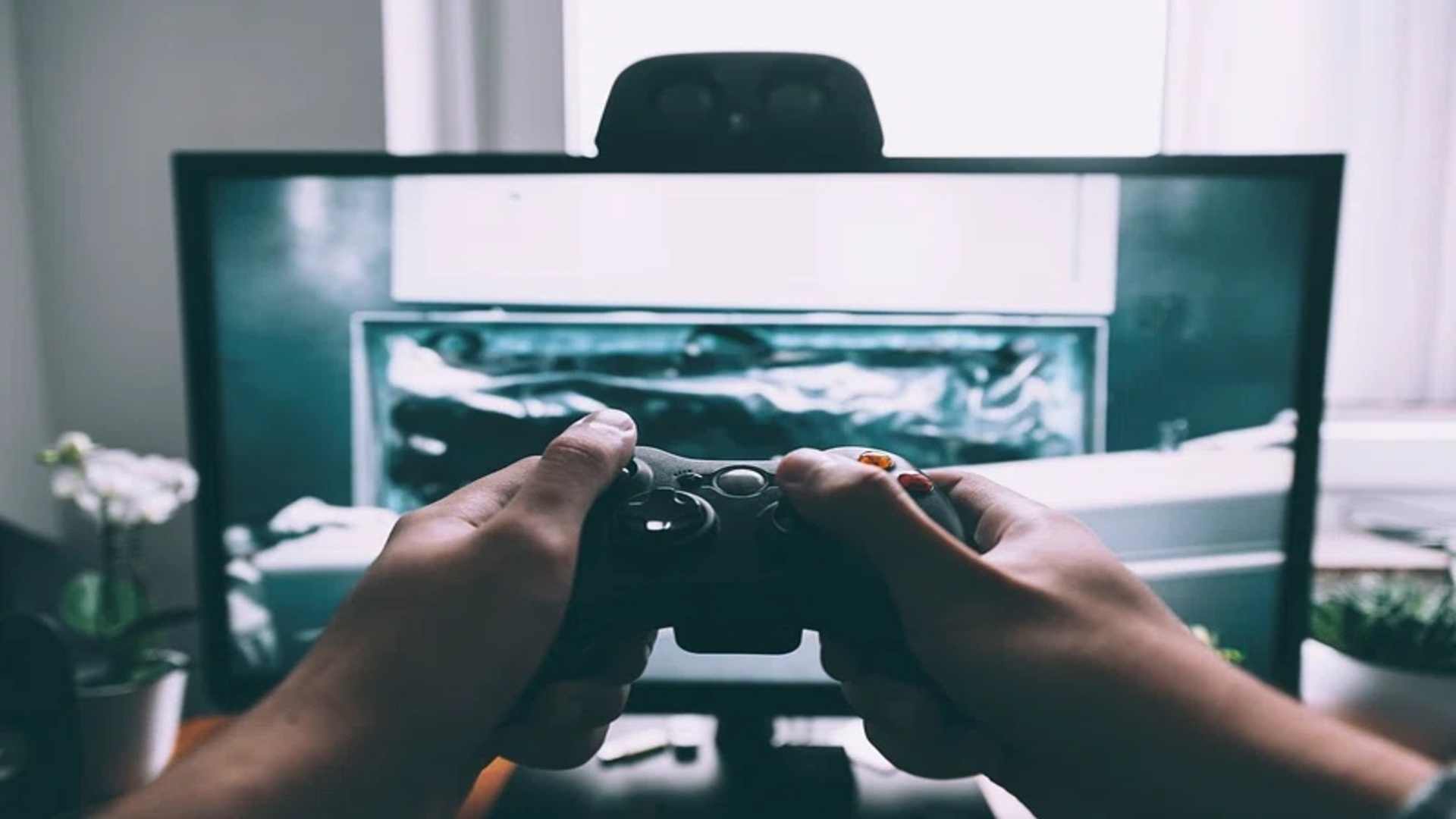
Sailing the open waters of Sea of Thieves is traditionally viewed as a cooperative experience meant to be shared with a trustworthy crew. However, embarking on a solitary journey offers a completely unique perspective on the pirate life that many players find incredibly rewarding. Mastering the waves by yourself requires a distinct shift in strategy, turning a chaotic multiplayer sandbox into a deeply immersive personal adventure.
Understanding the Appeal of the Lone Voyage
Playing alone transforms the game into a tense and high-stakes survival experience where every decision rests entirely on your shoulders. Without the distraction of crew mates, you can fully absorb the beautiful atmosphere and set your own pace for exploration. This absolute freedom allows you to choose your own voyages, explore hidden islands, and manage your resources without needing to compromise with others.
The sense of accomplishment when successfully completing a difficult quest or defending your loot against environmental threats is unmatched when done solo. Every successful island excursion or kraken battle becomes a testament to your personal growth and mechanical mastery. For many quiet adventurers, this meditative yet thrilling loop makes solo play an attractive alternative to traditional group sessions.
Essential Tactics for Sloop Management
The sloop is the definitive vessel for lone players because its compact layout allows a single person to control everything efficiently. Anchoring, raising sails, and steering can all be managed from the helm without needing to run across large decks. To maximize your efficiency, you should always park your ship facing outward with the anchor raised so you can make a quick escape if danger approaches.
Managing your angles and monitoring the horizon are critical safety habits that will save your ship from unexpected ambushes. Because you lack extra hands to repair hulls while firing cannons, positional awareness during combat encounters is your most valuable asset. Keeping your resources fully stocked before leaving an outpost ensures you are always prepared for sudden defensive engagements.
Navigating Player Encounters and World Hazards
The largest challenge for a lone pirate is encountering larger crews who may behave aggressively on the open seas. Since you cannot rely on aim assist or extra firepower, avoiding direct conflict through stealth and clever navigation is often the best strategy. Utilizing stormy weather or sailing directly against the wind can help you outmaneuver larger galleons that are much harder to steer in tricky conditions.
Environmental threats like volcanic eruptions or skeleton ships require immediate and calculated responses to prevent your vessel from sinking. Prioritizing hull repairs and keeping your water bucket ready will allow you to survive situations that might otherwise seem completely overwhelming. Learning when to fight and when to retreat is a fundamental skill that separates successful solo players from beginners.
Is the Solo Experience Worth Your Time
Ultimately, whether playing alone is fun depends heavily on your patience and your willingness to learn from inevitable defeats. The game can feel brutal when you lose a massive haul of treasure to an aggressive four-man crew after hours of hard work. However, treating these setbacks as learning experiences will gradually build the resilience needed to thrive in a hostile environment.
For those who enjoy a steep learning curve and a quiet atmosphere, the solo experience is incredibly fulfilling. It offers a unique way to enjoy the game that highlights personal skill and tactical independence above all else. If you are willing to embrace the challenges, taking to the seas alone provides an unforgettable interactive journey.